Skin Health: Dry or Dehydrated Skin? Key Differences for Proper Skincare Recommendations
Dehydrated Skin u2013 A Skin Condition, Not a Skin Type. The Role of the Skin Barrier and Proper Hydration
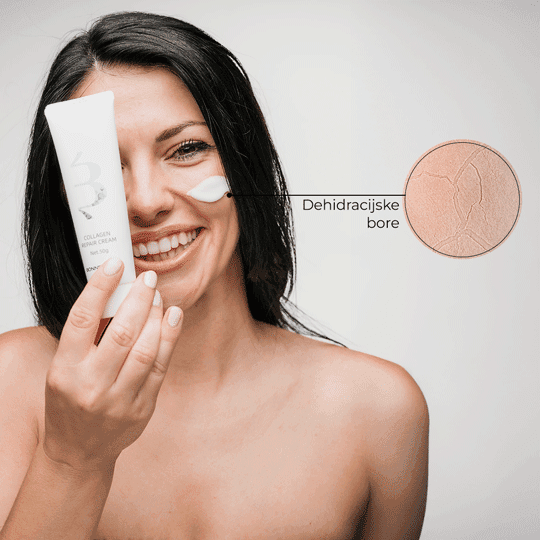
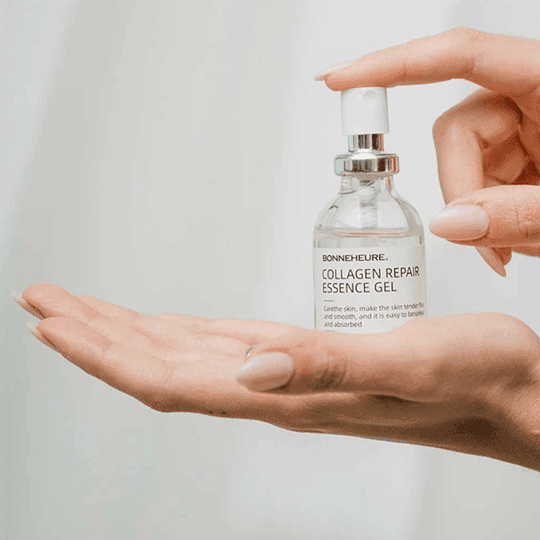
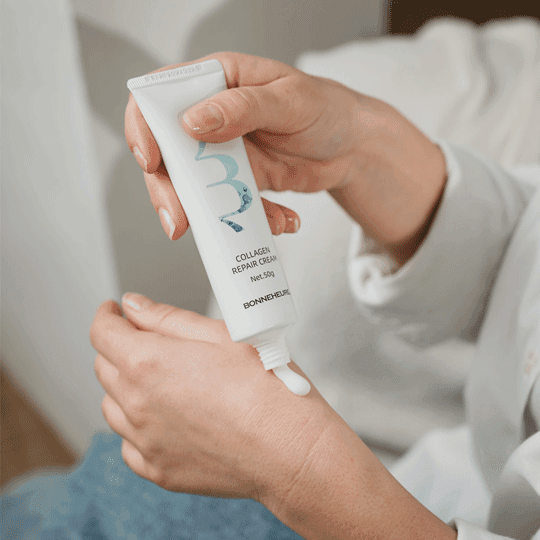
Pharmacists frequently hear from customers or patients during consultations and cosmetic product recommendations that they have dry skin, while the description of its characteristics actually suggests that the skin is dehydrated. In cosmetology, the terms skin dryness and skin dehydration are not synonymous. Dry skin refers to a skin type in which the skin primarily lacks lipids (oils). In contrast, dehydrated skin represents a skin condition that can occur with any skin type. In the previous blog post, skin types and their differences were explained, and the concept of dehydrated skin was mentioned. It is important to emphasise that this refers to a reversible skin condition, not a skin type. Dehydration can be successfully alleviated and corrected through the application of appropriate cosmetic preparations. Dehydrated skin is characterised by surface tightness, flaking, the appearance of dehydration lines and wrinkles, and a sensation of discomfort caused by these symptoms. This condition is particularly pronounced during the winter period, when we spend longer periods in enclosed, heated spaces, but also due to exposure to cold and strong winds, which further contribute to moisture loss from the skin. Skin dehydration refers to excessive water loss through evaporation and reduced moisture content in the skin, most commonly as a consequence of damage to the hydrolipid film and intercellular cement in the superficial layer of the epidermis. Skin hydration is an important indicator of a preserved and functional skin barrier, both from a dermatological-aesthetic perspective and in the context of pathological skin conditions. Among the key functions of the skin are the regulation of body temperature (thermoregulation) and the regulation of water and electrolyte content. The skin represents a significant reservoir of water and nutrients, and water is absolutely essential for its normal functioning, particularly for the proper function of the stratum corneum. Water loss from the skin must be strictly regulated, and this function depends on the complex structure of the stratum corneum. Water content is linked to the presence of natural hygroscopic compounds within corneocytes, known as natural moisturising factors (NMF), and to intercellular lipids that are organised into a barrier against transepidermal water loss (TEWL u2013 transepidermal water loss). TEWL denotes the amount of water that passively evaporates through the skin into the external environment and is used as an important indicator of skin barrier function. This parameter can vary considerably depending on skin surface temperature, relative air humidity, and circadian rhythms, and is also influenced by individual factors such as age and sex, as well as environmental factors. The rate of water loss also differs among different body regions. Sufficient water content in the stratum corneum is necessary for its proper maturation and physiological desquamation. Increased TEWL disrupts the enzymatic processes responsible for normal skin shedding, resulting in the visible appearance of dry, flaky skin accompanied by a sensation of tightness. It is generally considered that a lower TEWL value is associated with healthy skin, while elevated TEWL indicates a compromised skin barrier. The measurement of transepidermal water loss is of great importance in dermatological and cosmetological research. In cases of dehydrated skin, information about TEWL values can be useful in the proper selection of cosmetic products. For example, during showering and bathing, it is important to choose appropriate types of soaps or cleansing foams suited to the individual's skin condition, which can help maintain low TEWL levels throughout the day. To maintain a healthy and functional skin barrier that prevents excessive water loss from the skin, the use of adequate cosmetics is essential. The recombinant humanised collagen present in Bonneheure products demonstrates pronounced skin barrier repair properties. Dehydrated skin care should include cosmetic products containing humectants u2013 substances that attract and retain moisture in the skin. The most well-known humectants include glycerol, hyaluronic acid and its salts, sorbitol, propylene glycol, urea, and panthenol. These are water-soluble compounds with a high capacity for binding water from the atmosphere and the epidermis. By binding water to skin cells, humectants increase their swelling, which is why the skin appears hydrated, soft, and smooth, with reduced visibility of superficial wrinkles. All Bonneheure products demonstrate an exceptionally beneficial effect on dehydrated skin. The spray and gel are rich in glycerol, which, as the first step in a beauty routine, effectively hydrates, moisturises, and softens the skin. Recent research has shown that glycerol, in addition to being a well-known cosmetic ingredient, is naturally present in the stratum corneum as an endogenous moisturiser. Skin that is prov